SIParCS intern Chris Gadze shapes a more user-centered GDEX experience
by Shira Feldman
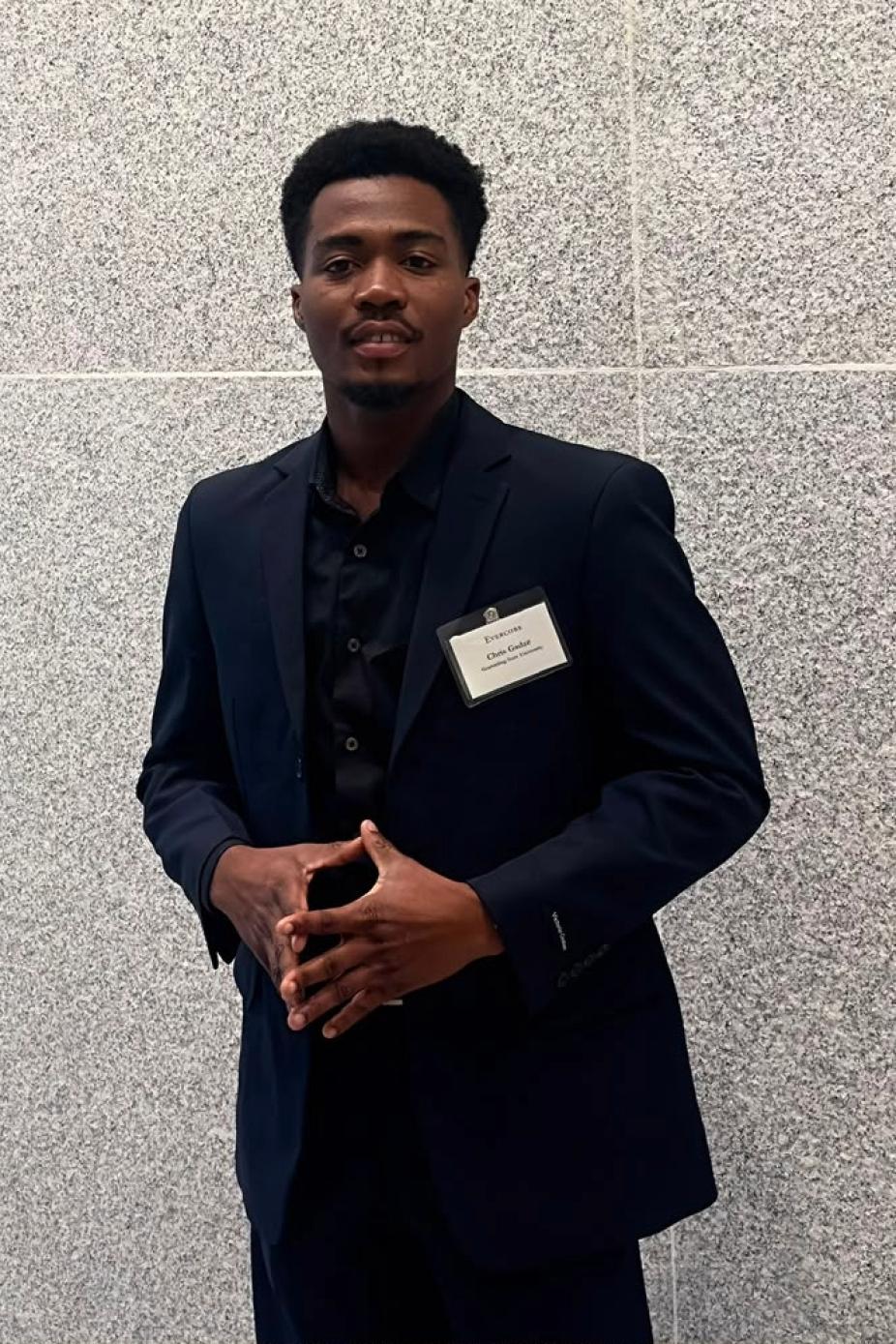
Chris Gadze, an intern with CISL's 2026 Summer Internship Program in Parallel Computational Science (SIParCS).
For Chris Gadze, a Grambling State University undergraduate majoring in Computer Science, a summer at NSF NCAR offered the perfect opportunity to tackle hands-on, practical software challenges.
“The SIParCS program provides valuable real-world experience for production-level software development.”
As part of the 11-week Summer Internship Program in Parallel Computational Science (SIParCS)—sponsored by NSF NCAR’s Computational and Information Systems Lab (CISL)—Gadze dedicated his summer to a comprehensive overhaul of the Geoscience Data Exchange (GDEX) platform.
Gadze’s primary mission was clear: improve the overall user journey for those navigating GDEX. While earlier rounds of GDEX testing and improvements had targeted experienced users, Gadze shifted his focus toward first-time visitors.
To identify existing pain points, Gadze conducted usability testing with ten of his fellow SIParCS interns, all of whom were completely new to the platform. "It provided a great sample space," he noted.
By recording and transcribing these sessions, he used AI analysis alongside direct video reviews to pinpoint where users struggled most.
“The coolest part was addressing real user problems rather than a purely theoretical summer project.”

When he wasn't working on his project, Chris Gadze made time to explore the local area and go hiking in Boulder.
Armed with industry standards—including Nielsen Norman Group heuristics and ISO/NIST task-efficiency guidelines—Gadze targeted five to six major usability hurdles across the GDEX homepage and search interface.
“I learned the full product development lifecycle—starting with usability testing to understand actual user needs, rather than assuming what engineers think is best,” Gadze said.
Gadze's research revealed key friction points: first-time visitors struggled to locate essential resources like AI-ready and Zarr datasets because their entry points were hidden, while a cluttered search page made filtering complex variables difficult.
Working closely with his mentors to select the best solutions, Gadze designed new user interfaces in Figma and ran Github Actions workflows, ultimately building and deploying a test container of the GDEX portal on the CIRRUS platform.
From there, he translated his designs into production-ready code using Django, Wagtail, Bootstrap, and Github Actions—the core tech stack behind GDEX.
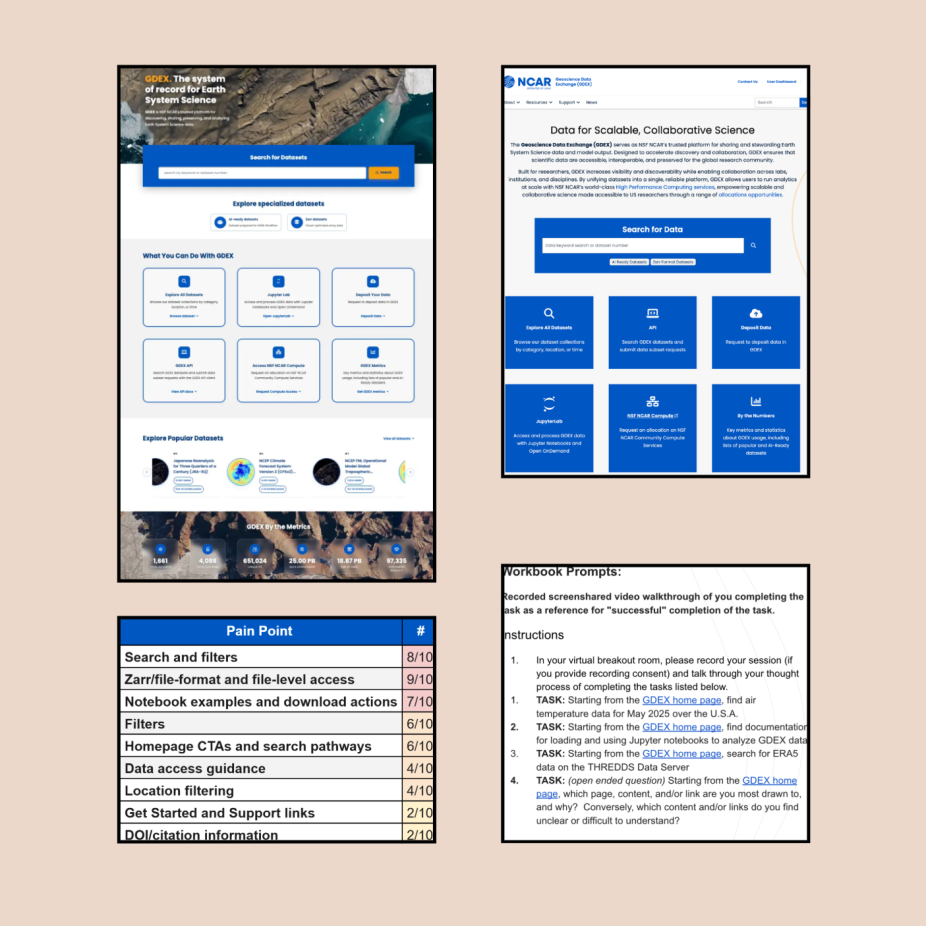
Clockwise from top left: the new GDEX homepage; the original homepage; workbook prompts; user pain points.
“I had to learn these frameworks during my first two weeks here to better understand the codebase,” he said.
After implementing the new layouts, Gadze conducted a second round of testing with four participants to validate the improvements.
The updated interface drew enthusiastic, positive feedback alongside additional suggestions for future enhancements.
Alex Morris, a Project Analyst working with the GDEX team, noted that Gadze’s contributions went “above and beyond.”
Looking ahead, Gadze recommended that future teams leverage A/B testing with a fresh group of users for an unbiased perspective, and use Google Analytics to track traffic increases across the redesigned sections.
Beyond the technical achievements, Gadze emphasized the strength of the community he found at CISL.
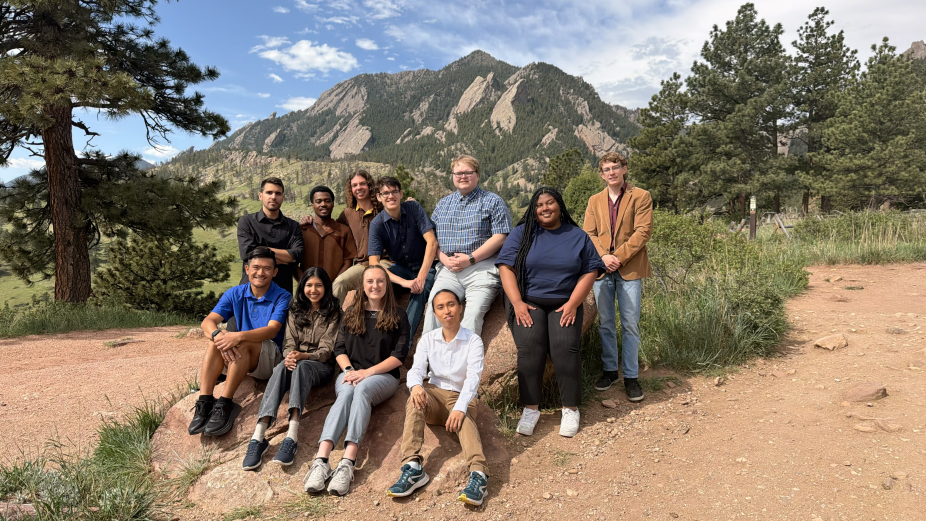
Group photo of interns from the 2026 SIParCS program
Guided by mentors Tom Cram, Riley Conroy, Calie Payne, Nick Cote, and Leigh Harney, as well as SIParCS Program Director Virginia Do, he felt fully supported to explore, iterate, and innovate.
“Sometimes I'd wake up with an idea at home and immediately start iterating on my laptop until I got something solid.”
“I get ideas at home, but coming into the office provides focus and momentum to implement them,” he shared.
Gadze followed an interesting personal path to the SIParCS program. Originally from Ghana, he moved to the U.S. in 2024 to study at Grambling State University in Louisiana.
Though he hasn't seen his family in over two years, they stay closely connected. “We talk on the phone all the time, and they are very proud of what I'm doing,” Gadze said. “I miss them a lot and hope to see them soon.”
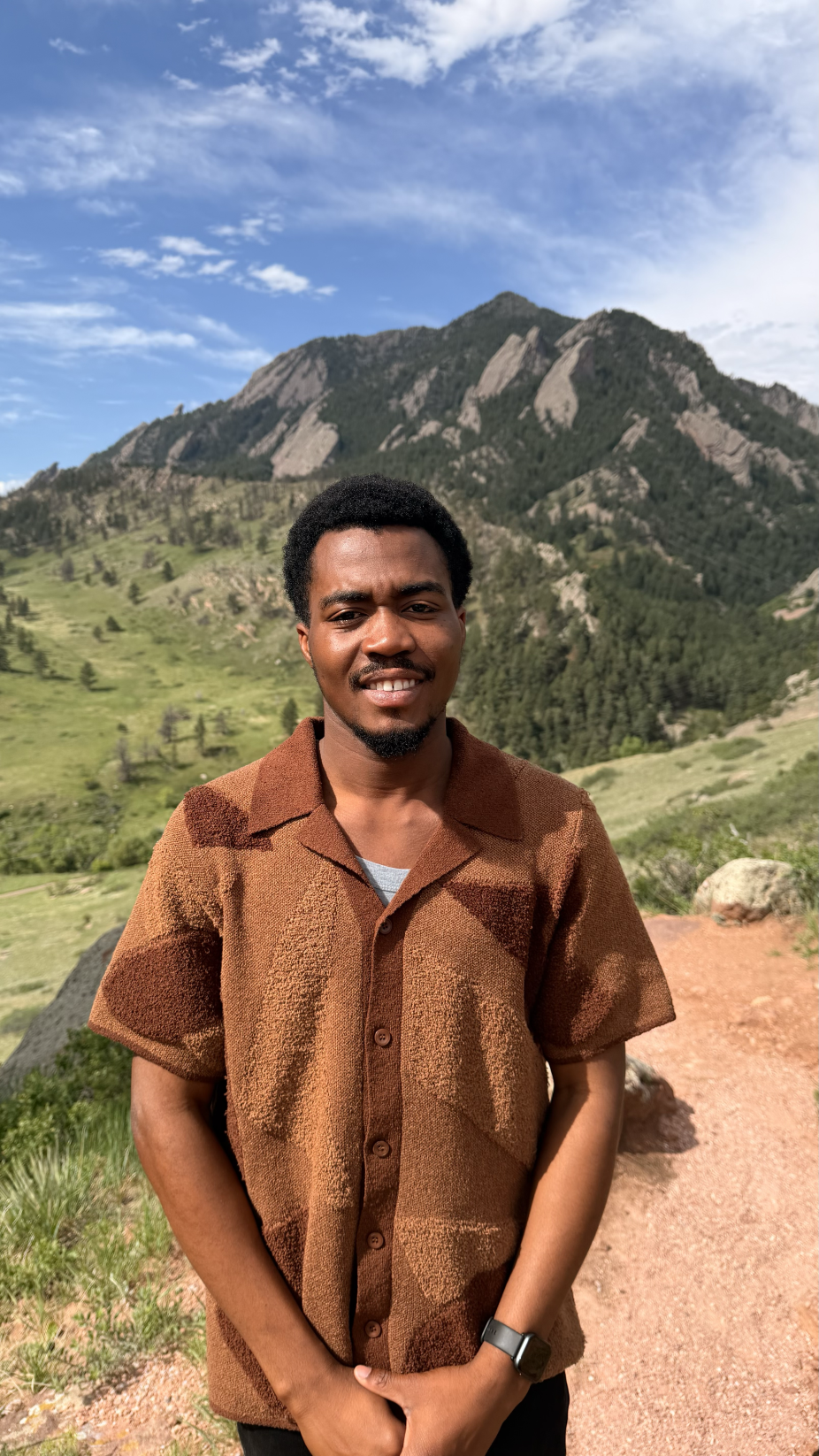
Chris Gadze, Grambling State University
Yet Gadze’s hard work and promise have already earned him notable recognition, and his talent has caught attention elsewhere, too.
For example, he turned down an offer to teach at Harvard for the summer to join the team at NSF NCAR—a decision he does not regret. “SIParCS was the best fit and project for me,” he said.
As his internship wrapped up, Gadze was looking toward the future. He plans to pursue a career in software engineering, with a strong interest in fintech and product development across various domains.
Outside his work on GDEX, he has also been collaborating with a friend on a web-scraping tool designed to streamline the tech job search process by matching resumes with new job postings.
Reflecting on his time in Colorado, Gadze said the internship provided the perfect mix of challenge, hands-on learning, and mentorship.
“SIParCS is a wonderful experience. It's a flexible community where you can explore and build great things.”
Gadze's impact on the GDEX platform shows what human-centered design can achieve. His excellent work also demonstrates what early-career researchers are capable of.